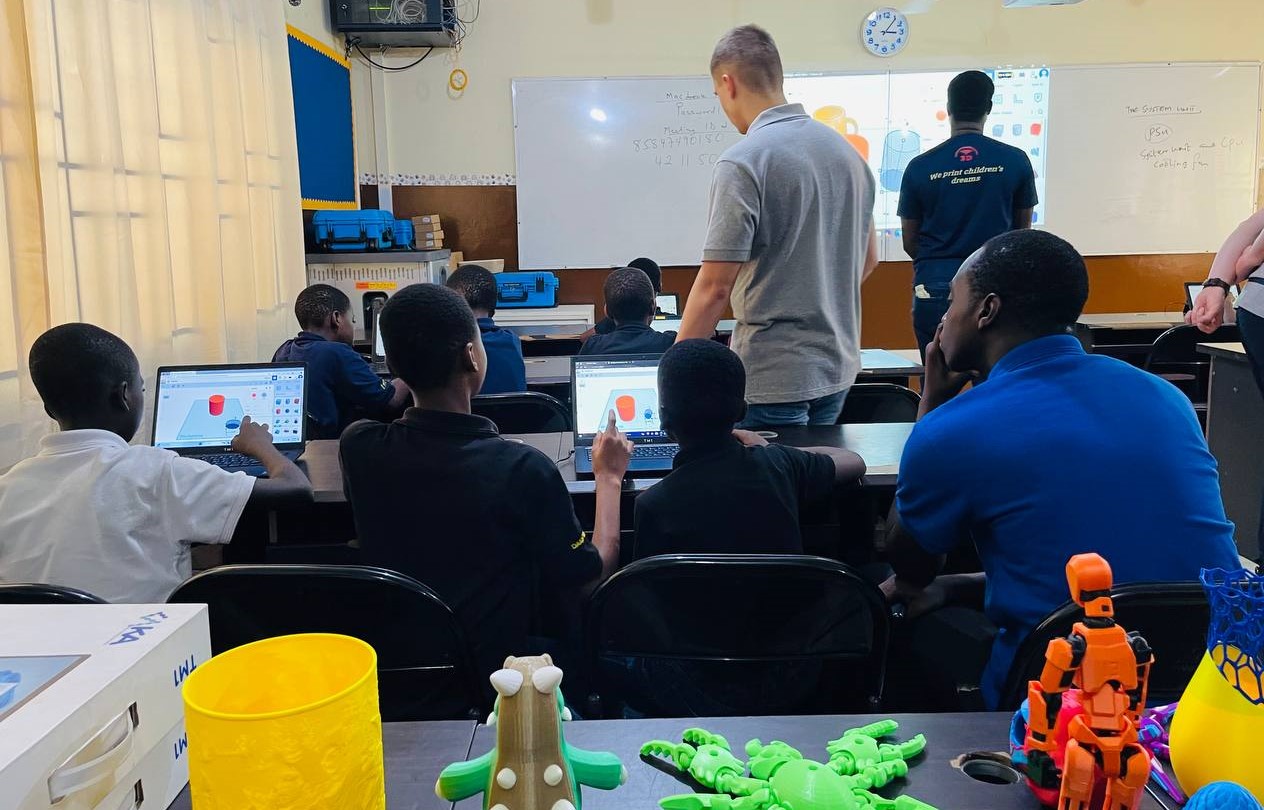
Culture of Collaboration: 5 Top Strategies for Transforming Education
If you walk into any thriving school today, you’ll notice something powerful. Teachers are exchanging ideas, students are collaborating, administrators are sharing insights, and learning feels alive. That is the heartbeat of a true culture of collaboration, and it is transforming how African classrooms grow and innovate.
Collaboration is no longer a bonus; it is becoming the foundation for creative learning, stronger relationships, and real student success. As African schools embrace technology and modern teaching approaches, creating a collaborative environment is one of the smartest steps any educator can take.
In this post, you’ll explore five practical strategies you can apply right away to build a more connected, supportive, future-ready learning space. And remember, collaboration is not about big budgets. It starts with people learning to trust, share, and grow together.
1. Encourage Open Communication Across All Levels
A collaborative school starts with clear and open communication. When teachers, students, and administrators can share ideas freely, it builds trust and reduces confusion.
You can create simple communication channels such as weekly debrief meetings, teacher WhatsApp groups, or short check-ins before classes begin. These small habits keep everyone aligned.
Platforms like Google Workspace for Education, used in several African schools, make communication smoother and more organized. Open communication helps people feel heard. It also allows problems to be solved faster and strengthens teamwork.
2. Implement Collaborative Learning Methods in the Classroom
Students learn better when they learn together. Introducing group activities, peer learning, and inquiry-based tasks can make lessons more fun and meaningful.
You can start with simple group projects where students share roles or solve problems as a team. Peer-learning sessions also work well because students understand each other’s explanations.
To make collaborative lessons effective, guide students on how to listen, contribute, and support their teammates. You don’t need complex tools. You can adjust activities based on your classroom size and available materials.
Collaborative learning boosts curiosity and teaches students real-life skills like communication and problem-solving.
3. Leverage Educational Technology for Connected Learning
Technology makes collaboration easier, especially when students and teachers are in different locations. Tools like Google Classroom, Microsoft Teams, and even simple online forums help students share work, give feedback, and learn together.
Some African schools have introduced blended learning, which combines physical classes with digital tools. This allows students to work at their own pace while still staying connected with their classmates.
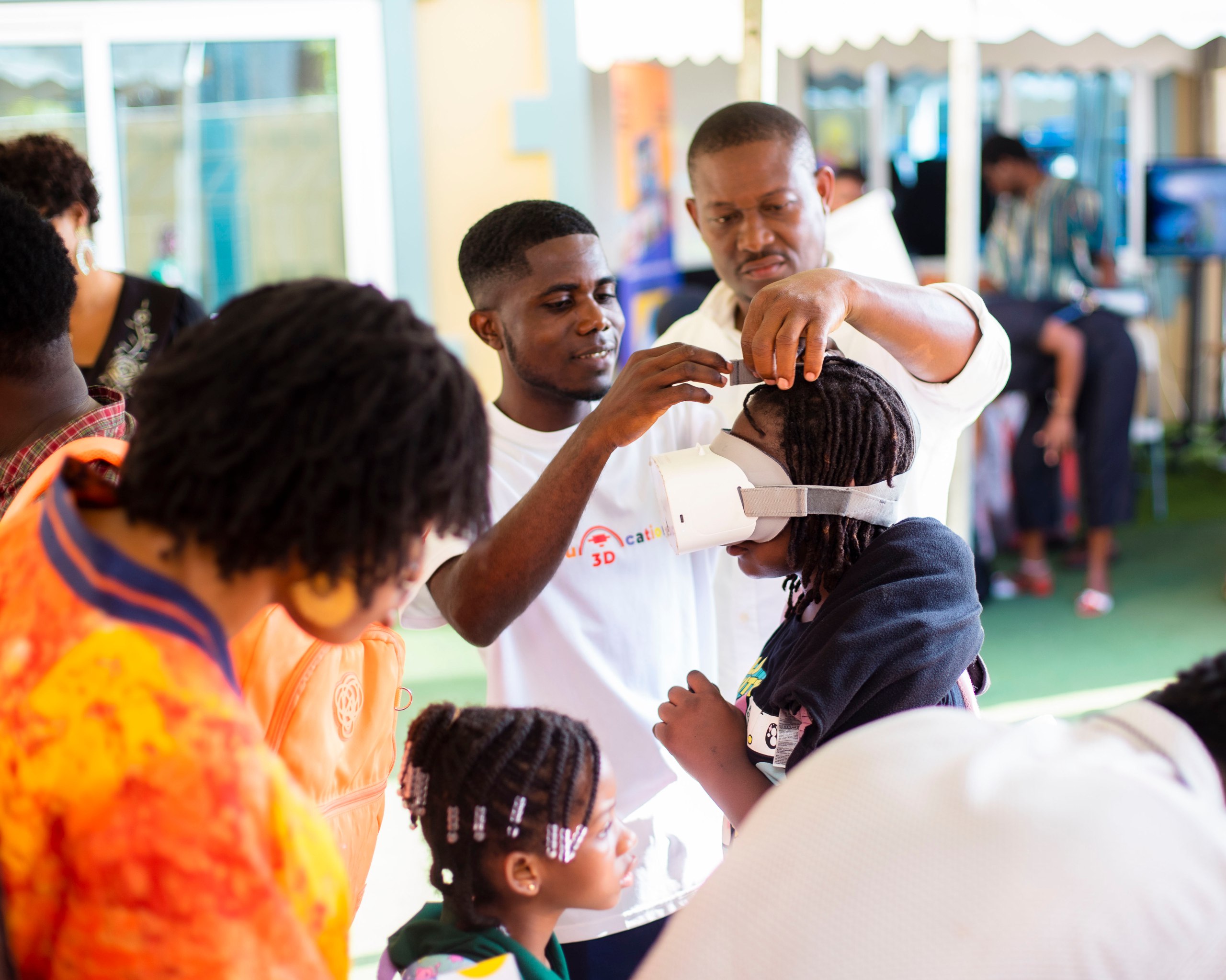
3D learning tools, such as those provided by Edu3Dcation, also encourage teamwork because students design, experiment, and build ideas together. When integrating technology, keep things simple. Start with one tool at a time to avoid overwhelming teachers.

4. Promote Teacher Collaboration Through Professional Learning Communities (PLCs)
Teachers grow faster when they learn from each other. Professional Learning Communities create a safe space for teachers to share ideas, discuss challenges, and plan lessons together.
PLCs can include co-teaching groups, subject-based teams, or teachers who meet weekly to plan lessons. You don’t need a large team. Even two or three teachers can form a PLC.
The benefits are powerful. Teachers become more confident, creative, and motivated. They also avoid burnout because they feel supported.
If your school doesn’t have PLCs yet, you can start by gathering a small group of teachers who want to learn together. Choose a simple topic like lesson planning or assessment methods, then meet consistently.
5. Build a Supportive School Culture That Rewards Teamwork
A collaborative school culture is built through daily habits and shared values. Leaders play a big role by encouraging teamwork and recognizing group achievements.
You can create a supportive environment by allowing teachers to share ideas without judgment and by celebrating group milestones during school meetings. Students also respond well when teamwork is recognized publicly.
Positive school cultures keep teachers motivated and help students feel secure. When people feel appreciated, they work together more naturally and joyfully.

Bringing It All Together
A powerful culture of collaboration grows from daily interactions, shared goals, and the willingness to support each other. When communication is open, classrooms feel safe. When students learn together, creativity increases.
When teachers connect, innovation grows. And when leaders value teamwork, the whole school moves forward. African education is filled with potential, and collaboration is one of the keys that unlocks it.
If you want to build a collaborative, future-ready learning environment, now is the time to take the next step. Partner with Edu3Dcation, a team dedicated to transforming African classrooms through creativity, technology, and hands-on learning.
Visit Edu3Dcation to explore tools, workshops, and programs that nurture teamwork and innovation. Together, we can spark imagination, strengthen school communities, and build classrooms where collaboration becomes a way of life.